Column · @juliusylcm722
Emergency Dentist Care for Teens with School or Sports Dental Injuries
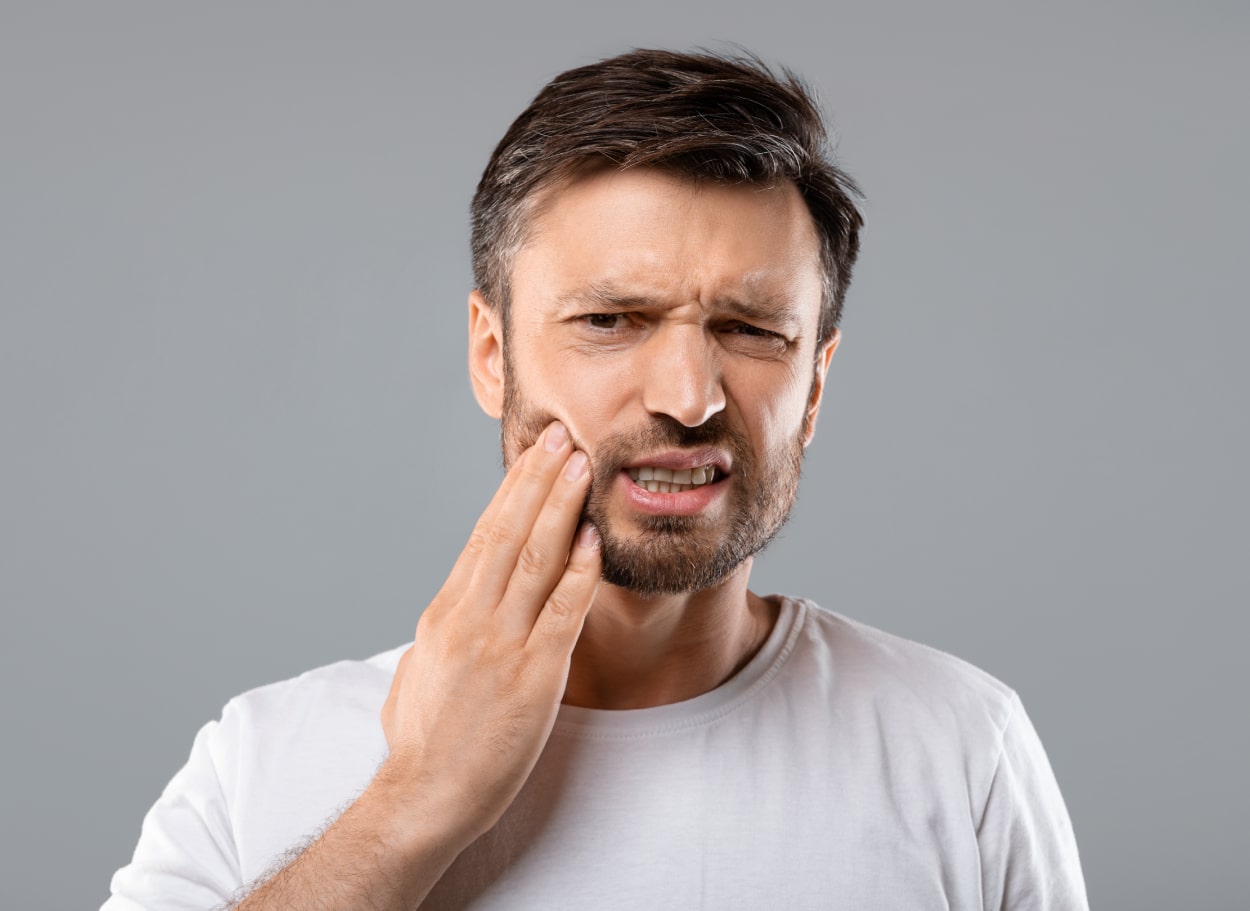
A dental injury during the teenage years rarely happens at a convenient time. It happens during basketball warmups, in the middle of a soccer match, on a skateboard after school, in the cafeteria, or while horsing around in a hallway that suddenly becomes an urgent care setting. One minute a teen is worried about an algebra test or making varsity, the next there is blood on a jersey, a tooth on the floor, and a parent trying to decide whether this can wait until tomorrow.
It usually cannot.
Teen dental trauma sits in an awkward middle ground that catches families off guard. It may not look life-threatening, but it can become time-sensitive in a matter of minutes. Teeth can be saved or lost based on what happens before the patient even reaches the office. Lips and gums can hide deeper fractures. A “small chip” can actually expose the nerve. A tooth that seems only loose can later darken, die, or fuse to the bone if it is not handled correctly.
That is why access to an Emergency Dentist matters so much for school and sports injuries. Prompt care is not just about pain relief. It is about preserving the tooth, protecting the bite, managing growth-related concerns, and reducing the chance that a short-term accident turns into years of restorative work.
Why teen dental injuries deserve a different level of attention
Teens are not little kids, and they are not fully grown adults either. That in-between stage affects treatment decisions in real ways. The roots of some permanent teeth may still be completing development. Jaw growth may still be ongoing. Orthodontic appliances can complicate the injury pattern. A knocked tooth in a 15-year-old athlete carries a different set of concerns than the same injury in a 40-year-old weekend softball player.
There is also the behavioral reality. Many teens underreport pain. Some minimize injuries because they do not want to come out of the game. Others panic when they see blood and assume the worst. I have seen both extremes. A teenager with a front tooth fracture may insist, through a swollen lip, that it is “fine,” while another with a minor gum cut is convinced the tooth is gone. The examination matters because appearances can be deceptive.
The social impact matters too. For adolescents, a visible dental injury can be devastating even when the physical damage is repairable. A broken front tooth before school photos, homecoming, a debate competition, or a college interview carries an emotional charge adults sometimes underestimate. Good emergency care addresses function first, but it also takes aesthetics seriously because confidence, speech, and day-to-day comfort all affect recovery.
The injuries that most often send teens to an emergency dentist
Most school and sports dental emergencies fall into a few broad categories, though they often overlap. A direct blow can chip enamel, crack a tooth through the dentin, or split it below the gumline. Contact injuries can loosen a tooth, push it inward, partially dislodge it, or knock it out completely. Soft tissue injuries to the lips, cheeks, and tongue are common because braces, sharp tooth edges, or a collision can create deep cuts quickly.
Sports like basketball, soccer, hockey, baseball, softball, wrestling, and lacrosse produce obvious trauma patterns, but plenty of injuries happen in less expected places. A teen slips on wet stairs at school and hits a railing. A friend swings a backpack at the wrong moment. A water bottle thrown in the locker room connects with a mouth. Elbows, handlebars, pool decks, and trampoline collisions all show up in emergency schedules.
Orthodontic treatment adds another wrinkle. Braces can trap trauma forces in ways that bend wires, shift brackets, and cut the inside of the mouth. Yet braces can also sometimes hold a loosened tooth in a more favorable position than it would otherwise be. That is why the right response is not always obvious to a parent looking in the mirror at home.
The first hour often decides the outcome
When a parent calls after a sports injury, the most important information is often not the pain score. It is whether the tooth is missing, displaced, fractured deeply, or only chipped. Time matters most with avulsed teeth, meaning permanent teeth that have been completely knocked out. The periodontal ligament cells on the root begin to lose viability quickly if the tooth dries out. That affects whether reimplantation can succeed.
For other injuries, the urgency still matters, just in a different way. A displaced tooth may need prompt repositioning. A pulp exposure, where the inner tissue is open to the mouth, can be extremely painful and can worsen if left overnight. Swelling may obscure a laceration that needs suturing. Jaw injuries can masquerade as “my teeth feel weird” when the real issue is a fracture or joint trauma.
There is no prize for waiting to “see how it looks in the morning” after a significant impact. The safer approach is a same-day professional evaluation whenever a permanent tooth is broken, loose, moved, or missing, or when there is persistent bleeding, severe pain, or visible facial swelling.
What to do before you get to the dental office
The minutes between the injury and treatment can protect, or compromise, the final result. Families do not need to perform perfect emergency care, but a few correct steps can make a remarkable difference.
- If a permanent tooth is knocked out, pick it up by the crown, not the root. If it is dirty, rinse it briefly with milk or saline, or clean water if nothing else is available. Do not scrub it. If the teen is alert and cooperative, place it back in the socket gently. If that is not possible, store it in milk or saline and go to an Emergency Dentist immediately.
- If a tooth is chipped or broken, save any pieces you can find. Rinse the mouth with water and use clean gauze or a cloth for bleeding. A cold compress on the outside of the face helps limit swelling.
- If a tooth is loose or pushed out of position, do not forcefully wiggle or test it. Keep the teen from biting on it. Soft pressure with gauze can control bleeding until evaluation.
- If braces or a wire are involved, cover any sharp areas with orthodontic wax if available. If not, sugar-free gum can serve as a temporary barrier for the trip to the office.
- If there was a blow to the chin, difficulty opening the mouth, altered bite, dizziness, or possible loss of consciousness, seek medical evaluation as well. Dental injuries and head injuries often travel together.
Those steps are simple, but they are not intuitive in the heat of the moment. Parents often want to clean everything aggressively, compare both sides repeatedly, or ask the teen to bite down and “see if it hurts.” That kind of testing rarely helps. Gentle handling is the better rule.
What an emergency dentist looks for right away
A proper trauma exam goes well beyond finding the obvious broken edge. The first questions usually establish the mechanism of injury, the timing, whether there was loss of consciousness, and whether the tooth involved is a baby tooth or permanent tooth. With teens, it is almost always a permanent tooth, but confirmation still matters.
Then comes the clinical exam. The dentist checks mobility, tooth position, tenderness to percussion, bite changes, soft tissue lacerations, and whether any tooth fragment may be embedded in the lip. This last point is easy to miss. If a front tooth broke during impact and part of it is missing, the fragment may not be lost at the field or gym. It may be inside the lip, and a radiograph can help find it.
Radiographs are often necessary, sometimes from more than one angle. They can reveal root fractures, alveolar bone fractures, intrusion, widening of the ligament space, and the stage of root development. Photographs may also be taken to document the initial condition, especially for follow-up comparison.
Pulp testing, when appropriate, may be part of the assessment, but immediate results after trauma can be unreliable. A recently injured tooth may not respond normally at first and still recover later. That is one reason trauma care does not end with the emergency visit. Follow-up is part of the treatment.
When a tooth is knocked out
A knocked-out permanent tooth is one of the clearest true dental emergencies. Reimplantation is sometimes possible, especially if the tooth has been handled properly and the extra-oral dry time is short. The best outcomes tend to occur when the tooth is replanted quickly, ideally within minutes rather than hours, but late management can still be worth attempting in some cases depending on age and circumstances.
The dentist will clean the area as needed, assess the socket, and reinsert the tooth if appropriate. A flexible splint may be placed to stabilize it for a period of time. The teen will need close monitoring afterward. In many mature teeth, root canal treatment becomes necessary later because the pulp usually does not survive complete avulsion. In younger teeth with open apices, there can be more healing potential, which is one reason exact age and root development matter.
This is also where realistic counseling matters. Even when everything is done right, an avulsed tooth may later develop resorption or ankylosis. Families deserve honest expectations. Immediate care improves the odds, but it does not guarantee a lifetime result.
Chipped, cracked, and broken teeth are not all the same
A tiny enamel chip from a mouthguard-less collision may need simple smoothing or bonding. A larger fracture involving dentin can cause sensitivity to air and temperature and usually needs prompt sealing or restoration. If the pulp is exposed, the pain is often sharper, and the treatment plan becomes more complex.
For teens, preserving pulp vitality whenever reasonable is a major goal. A young permanent tooth has a better long-term outlook if its internal tissue can remain healthy. Depending on the depth of the fracture and the stage of root formation, treatment might involve a bonded restoration, a protective pulp therapy, or later root canal treatment if symptoms and follow-up findings support it.
A real-world point families appreciate hearing is that a good cosmetic result is often possible, even on front teeth. Modern bonding can be very natural. If the broken fragment is recovered and kept moist, reattachment may even be considered in selected cases. It is not always the final forever solution, but in the right hands it can be an excellent one.
Loose or displaced teeth need careful handling
A tooth that is loose after trauma may have anything from a mild periodontal ligament injury to a more significant luxation. If the tooth has been pushed sideways, inward, or partially out of the socket, timing again matters. Repositioning is often easier and kinder to the tissues before swelling and clotting set in.
The emergency dentist will decide whether observation, splinting, repositioning, or referral is needed. Bite interference is a big issue here. A tooth that has moved may keep the teen from closing properly, and that can place repeated force on an already injured structure. Even if pain seems manageable, an altered bite should never be ignored.
Sometimes the most difficult cases are the ones that “do not look that bad.” A teen can walk in with one front tooth very slightly longer than the other and almost no pain, yet radiographs show a substantial displacement injury. Parents often feel relieved that the tooth is still there. The dentist is thinking ahead to pulp survival, root development, and bone healing.
The hidden problems after sports injuries
Soft tissue injuries deserve more respect than they typically get. Lips bleed heavily, which makes everything look dramatic, but the deeper concern is contamination, retained tooth fragments, and the possibility that a laceration crosses important structures or needs layered closure. A tongue laceration may interfere with speech and eating. Cheek injuries near the molars can be repeatedly traumatized during function if not managed properly.
Jaw and joint symptoms are another blind spot. A teen who took an uppercut to the chin may not have a broken tooth at all, but may have temporomandibular joint soreness, limited opening, or a mandibular fracture. If the bite feels off, the chin is bruised, or opening is difficult, broader evaluation is warranted.
Head injury concerns should always override tooth concerns. If there was confusion, vomiting, severe headache, drowsiness, or loss of consciousness, emergency medical assessment comes first. Dental treatment can follow when the teen is medically stable.
Signs that should never wait until next week
Some families worry about overreacting. In practice, underreacting causes more trouble.
- A permanent tooth is knocked out, partly pulled from the socket, or visibly pushed out of position.
- There is uncontrolled bleeding after pressure, or a deep lip, tongue, or gum laceration.
- A tooth fracture causes severe pain, a visible pink or red center, or sharp sensitivity to air.
- The bite suddenly feels wrong, the jaw will not open normally, or the teen cannot close the teeth together comfortably.
- Swelling develops quickly, especially with fever, facial asymmetry, or signs of a combined infection and trauma problem.
These are same-day issues. They justify calling an Emergency Dentist immediately and, when indicated, seeking medical care as well.
How treatment decisions change if the teen has braces
Braces can make trauma look more chaotic. Blood pools around brackets, wires twist, and swelling exaggerates the damage. The upside is that orthodontic appliances sometimes provide accidental stabilization. The downside is that they can also hide mobility, complicate radiographs, and create additional soft tissue injury.
Emergency management may include clipping or covering protruding wires, rebonding a detached bracket if practical, or coordinating with the orthodontist for next steps. If the tooth itself is injured, trauma management takes priority over routine orthodontic progress. Movement https://telegra.ph/What-Counts-as-a-Dental-Emergency-Advice-from-an-Emergency-Dentist-11-12 forces are often paused until healing is better understood.
Parents are sometimes surprised to hear that the orthodontist and emergency dentist may both be needed, just not always on the same timeline. Trauma first, alignment later. A beautiful bite is irrelevant if a tooth is lost because its injury was underestimated.
What recovery usually looks like
Pain from minor chips and soft tissue injuries may settle in a few days. More significant trauma can require weeks of soft diet, activity adjustment, and follow-up imaging. Splints, when used, stay in place for a period determined by the type of injury. Restorations may be done immediately or staged. Endodontic treatment may be deferred until signs point clearly toward pulpal necrosis, depending on the case.
This is where families need patience. A tooth can look fairly normal after emergency treatment and still change over time. It may darken months later. It may fail a vitality test on one visit and recover on another. Follow-up appointments are not optional formalities. They are part of the treatment itself.
Teen athletes also need clear return-to-play guidance. A mouth that has just suffered trauma should not be sent back into contact sports unprotected. Sometimes the answer is a short break. Sometimes it is a custom or at least properly fitted mouthguard before any return. The advice depends on the injury, the sport, and the stage of healing.
Prevention is more practical than people think
Dental injuries in sports are not entirely preventable, but many are absolutely reducible. The gap between teens who wear effective mouthguards consistently and those who do not remains frustratingly large. Store-bought options vary. Some are bulky and poorly tolerated, which means they spend more time in gym bags than in mouths. Better fit leads to better compliance. That is not theory, it is daily reality.
School policies help, but culture matters even more. When coaches treat mouthguards the way they treat shin guards or helmets, teens notice. When older players wear them without complaint, younger athletes follow. Basketball and baseball players often assume facial injuries are someone else’s problem until a rebound, bat, or thrown ball proves otherwise.
Prevention also includes simple preparedness. Schools, athletic trainers, and coaches should know where to refer a student after hours. Parents should know the difference between a baby tooth and a permanent tooth response, though in teens this is less often an issue. A small container, saline, or access to milk can matter when a tooth is avulsed. The best emergency plan is boring and ready before anyone needs it.
Talking to teens after a dental injury
One part of emergency care does not show up on radiographs. Teenagers often feel embarrassed by how the injury happened, frightened about their appearance, or angry that they may miss games and social events. A calm, direct explanation helps. So does honesty.
It is usually better to say, “The tooth took a hard hit, and we need to monitor how it heals,” than to promise everything is fine just because the crown was bonded beautifully. Teens handle straightforward information better than many adults expect. They especially appreciate knowing what to expect over the next few days: soreness while biting, a soft-food period, the possibility of color changes, or the need for more treatment later.
For student athletes, the fear of being sidelined can lead to risky behavior. Some will try to hide ongoing pain to avoid being benched. Parents and coaches should pay attention if a teen stops chewing on one side, avoids smiling, or complains that the mouthguard suddenly “doesn’t fit right.” Those are the quiet clues that something deserves another look.
The value of prompt, skilled emergency dental care
An experienced Emergency Dentist does more than patch a visible problem. The real value lies in judgment. Which injuries can be conservatively monitored, which need immediate stabilization, which need referral, which require a medical workup beyond the teeth, and how to preserve options for a growing patient. That kind of decision-making is what protects long-term outcomes.
For teens, those outcomes last a long time. Saving a front tooth at 14 is not just about surviving the school week. It is about preserving bone, maintaining appearance, supporting speech, and reducing the complexity of future care through high school, college, and adulthood. The earlier the injury is handled well, the more choices remain available later.
When a school or sports dental injury happens, speed matters, but so does precision. Keep the tooth moist if it is out, avoid unnecessary handling, control bleeding, and get the teen evaluated the same day whenever there is displacement, deep fracture, persistent pain, or uncertainty. Trauma care is one of those areas where small actions taken quickly can change the entire arc of the case.
Smyle Dental Newhall
23754 Newhall Ave
Santa Clarita, CA 91321, United States
+16612559200
FAQ About Emergency Dentist
Will the ER do anything for dental pain?
An emergency department can assess serious complications and provide temporary care, but it usually cannot provide definitive dental treatment such as a filling or root canal. A dentist needs to identify and treat the cause. Call 911 or seek emergency medical care for difficulty breathing or swallowing, major facial injury, or uncontrolled bleeding.
What qualifies as a dental emergency?
A knocked-out permanent tooth, severe or persistent dental pain, swelling, and a broken tooth with pain need prompt professional assessment. Contact a dentist immediately for guidance on how urgently to be seen. Rapidly spreading swelling or swelling that affects breathing or swallowing requires emergency medical care.
What to do if I have a dental emergency in the middle of the night?
Call your dentist's office for after-hours instructions. Smyle Dental Newhall can be reached at (661) 255-9200; confirm when treatment is available. Do not wait for the office to open if you have trouble breathing or swallowing, uncontrolled bleeding, or a major facial injury. For a toothache while arranging dental care, gently rinse with warm water and avoid putting aspirin directly on the tooth or gums.